Using a Reverse Mortgage to Fund Your Retirement in Florida
Florida retirees sitting on home equity have a powerful option most financial advisors don't explain clearly. Here's how a reverse mortgage can work as part of a real retirement income strategy.
Florida is home to more retirees than almost any other state — and many of them are sitting on substantial home equity after years of appreciation while living on fixed incomes that don't keep pace with inflation. A reverse mortgage is one tool that can address this imbalance, and it's more flexible and more secure than most people realize.
Here is how reverse mortgages can work for Florida retirees.
What is a reverse mortgage? A Home Equity Conversion Mortgage (HECM) — the most common type, backed by the FHA — allows homeowners 62 and older to access a portion of their home's equity without making monthly mortgage payments. The loan balance grows over time as interest accrues, and the loan comes due when the last borrower permanently leaves the home.
You remain the owner. You keep title to your home. You can stay as long as you maintain the property, pay property taxes, and keep homeowners insurance current. The lender does not take your home. This is the most persistent misconception about reverse mortgages, and it's simply not accurate.
How Florida retirees are using reverse mortgages. Eliminating an existing mortgage payment — many retirees use a reverse mortgage to pay off their remaining traditional mortgage, freeing up that payment for living expenses. Supplementing Social Security — receiving monthly payments or a line of credit that draws from equity when needed, without triggering additional taxable income in the traditional sense. Funding home modifications — installing grab bars, ramps, or other accessibility features that allow aging in place. Protecting an investment portfolio — by drawing from home equity during market downturns instead of selling investments at a loss, retirees can preserve portfolio value through volatility.
Florida-specific considerations. Florida has no state income tax, which means reverse mortgage proceeds are not subject to state income tax. Florida's homestead protections are among the strongest in the country, and HECM loans respect those protections. Florida's warm climate and strong appeal to retirees have supported consistent home appreciation in many markets — meaning equity levels in cities like Naples, Sarasota, Fort Lauderdale, and The Villages tend to support strong reverse mortgage proceeds.
How much can you access? The amount available through a reverse mortgage depends on age, current interest rates, the appraised value, and the applicable FHA lending limit. Request a current illustration for your property rather than relying on a general example.
Non-HECM options for higher-value homes. For Florida retirees with home values significantly above the FHA limit, proprietary reverse mortgages — sometimes called jumbo reverse mortgages — can access equity on homes worth $1 million, $2 million, or more. These are not FHA-backed, but they follow similar principles and are offered by private lenders.
A reverse mortgage is not right for everyone. If you plan to move in the near future, the costs may not be justified. If leaving the home to heirs free and clear is a priority, the growing loan balance needs to be factored in. But for Florida retirees who plan to stay in their home, need income flexibility, and want to reduce financial pressure without selling — it deserves a serious, honest conversation.
I'm licensed in Florida and work with reverse mortgage clients across the state. If you want to understand exactly what a reverse mortgage would look like for your home, your age, and your situation — book a free 30-minute call. I'll walk through the numbers with no pressure and no obligation.
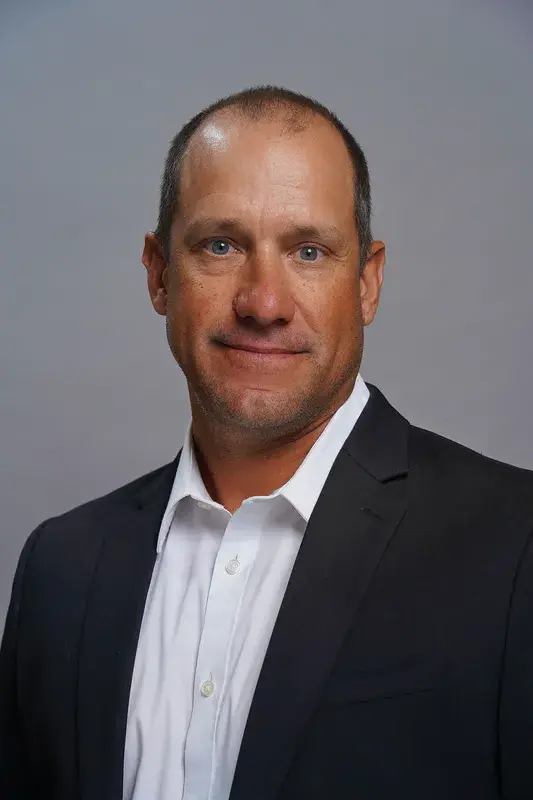
Jason L. Esposito
Mortgage Loan Officer | NMLS# 308764 | Licensed in FL
30+ years helping veterans, homeowners, investors, and retirees navigate home financing. Questions about your situation? Book a free 30-minute consultation.
Found this helpful? Share the article link: https://jasonsmortgagepage.com/blog/reverse-mortgage-florida-retirement